Press Release
The Evolving Science of Obesity and Cardiometabolic Research
By Dr King Cheung, MD Principal Investigator and Cardiometabolic Taskforce Lead Momentum Clinical Research
October 15, 2026
•a few seconds
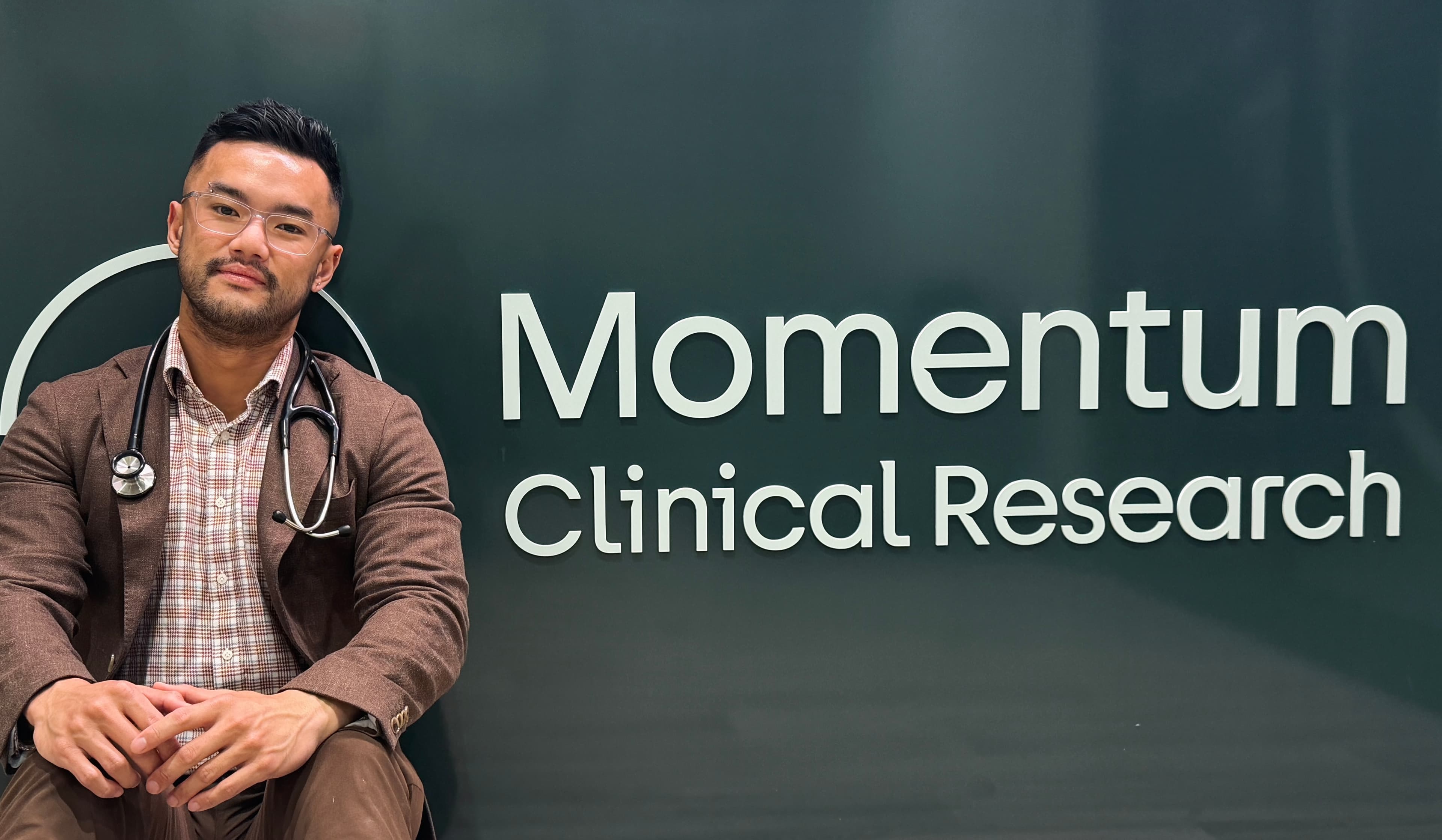
Press Release
By Dr King Cheung, MD Principal Investigator and Cardiometabolic Taskforce Lead Momentum Clinical Research
October 15, 2026
•a few seconds
It's a chronic condition driven by complex biological mechanisms that regulate appetite, metabolism and body weight.
This is an important distinction, because it changes how we think about obesity and how we approach treatment.
Our understanding of these biological mechanisms has advanced significantly in recent years. We're now seeing therapies that target pathways we previously understood far less about, creating new possibilities for people living with obesity and related health conditions.
For those of us working in clinical research, it's an exciting time. But it also raises an important question: are we designing clinical trials that fully reflect what we're learning about the disease?
For a long time, obesity treatment has focused heavily on weight loss through changes to diet, physical activity and behaviour. These remain important parts of managing obesity and improving health.
But we now understand much more about the neuroendocrine pathways that regulate body weight, including the mechanisms that make it difficult for people to maintain weight loss over time.
This helps explain why lifestyle changes alone aren't always enough.
Newer treatments, particularly incretin-based therapies, are giving us ways to address some of these underlying biological mechanisms.
And while weight loss is an important outcome, it's only part of what we should be measuring.
Obesity is closely linked to type 2 diabetes, hypertension and cardiovascular disease. We need to look at the wider picture: how a treatment affects metabolic health, whether it reduces cardiovascular risk and what those changes mean for someone's long-term health.
Ultimately, effective obesity management needs to be individualised, combining lifestyle and behavioural approaches with treatments that address the biology of the disease.
As obesity treatments become more sophisticated, the questions we're asking through clinical research are becoming more complex.
It's no longer simply about how much weight someone loses.
We need to understand what happens beyond that initial response. Does the treatment improve other cardiometabolic risk factors? Are those improvements sustained? And, importantly, will they translate into better long-term health outcomes?
Answering these questions takes well-designed studies and a good understanding of the patients we're trying to help.
There are practical challenges too.
People taking part in cardiometabolic trials often have several health conditions, may be taking multiple medications and can have quite specific eligibility requirements. Depending on the protocol, studies may involve detailed metabolic assessments, extended follow-up and several interconnected clinical outcomes.
All of this adds complexity to recruitment and study delivery.
A protocol might look achievable on paper, but that doesn't always mean it will be straightforward to deliver in a clinical setting.
That's why I believe experienced investigators need to be involved much earlier in the planning process.
I've been involved in 132 clinical studies, including 32 cardiometabolic and 24 obesity and incretin trials.
One thing that experience has reinforced for me is the value of having the right clinical expertise involved from the beginning.
Investigators understand the patients, the protocols and the practical challenges of delivering a study. We can help identify where recruitment might be difficult, whether eligibility criteria are realistic and what will be needed to deliver the study successfully.
These conversations are much more useful before the study plan is finalised than after recruitment has already started.
And in cardiometabolic research, where we're dealing with increasingly complex protocols and very specific patient populations, that early input can make a real difference.
It's not just about whether a study is scientifically sound. It's about making sure the study can work in practice.
This is one of the reasons I'm pleased to be leading Momentum Clinical Research's new Cardiometabolic Taskforce.
We're bringing together experienced investigators and operational leaders from across Australia and New Zealand, with expertise spanning obesity, diabetes, metabolic and cardiovascular research.
The idea is straightforward. We want sponsors to be able to speak directly with the people who will be responsible for delivering their studies, from the earliest stages of planning.
That means involving our investigators in feasibility discussions, recruitment planning and conversations about how a study will work in practice.
Australia and New Zealand have a lot to offer cardiometabolic research, including diverse participant populations, experienced investigators and established clinical trial infrastructure.
At Momentum, we have the advantage of bringing those strengths together across one connected network. We can draw on expertise and participant reach across both countries rather than approaching each study as a collection of individual sites.
For sponsors, that means better-informed feasibility discussions, access to a broader range of participants and a more coordinated approach to delivery.
I believe we're at an important point in the development of obesity and cardiometabolic treatments.
The science is opening up possibilities that weren't available even a few years ago. But promising treatments still need rigorous clinical research to establish their safety, effectiveness and long-term benefits.
And that research needs to be designed and delivered well.
For me, that's what makes this work so rewarding. We have an opportunity to contribute to advances in medicine that could make a meaningful difference to people's lives.
Our responsibility is to bring the right clinical knowledge, experience and practical thinking to that work, so the science has the best possible chance of moving forward.
That's what I hope to achieve through Momentum's Cardiometabolic Taskforce.
References
Tuccinardi D, Watanabe M, Masi D, et al. Rethinking weight loss treatments as cardiovascular medicine in obesity, a comprehensive review. European Journal of Preventive Cardiology. 2024;31(10):1260–1273. https://doi.org/10.1093/eurjpc/zwae171
Bays H, Golden A, Tondt J. Thirty Obesity Myths, Misunderstandings, and/or Oversimplifications: An Obesity Medicine Association (OMA) Clinical Practice Statement (CPS) 2022. Obesity Pillars. 2022;3:100034. https://doi.org/10.1016/j.obpill.2022.100034
About Dr King Cheung
Dr King Cheung is a Melbourne-based Principal Investigator at Momentum Clinical Research and leads the organisation's Cardiometabolic Taskforce. He has worked on 132 clinical studies, including 32 cardiometabolic and 24 obesity and incretin trials, with experience supporting research programmes for leading global pharmaceutical companies.
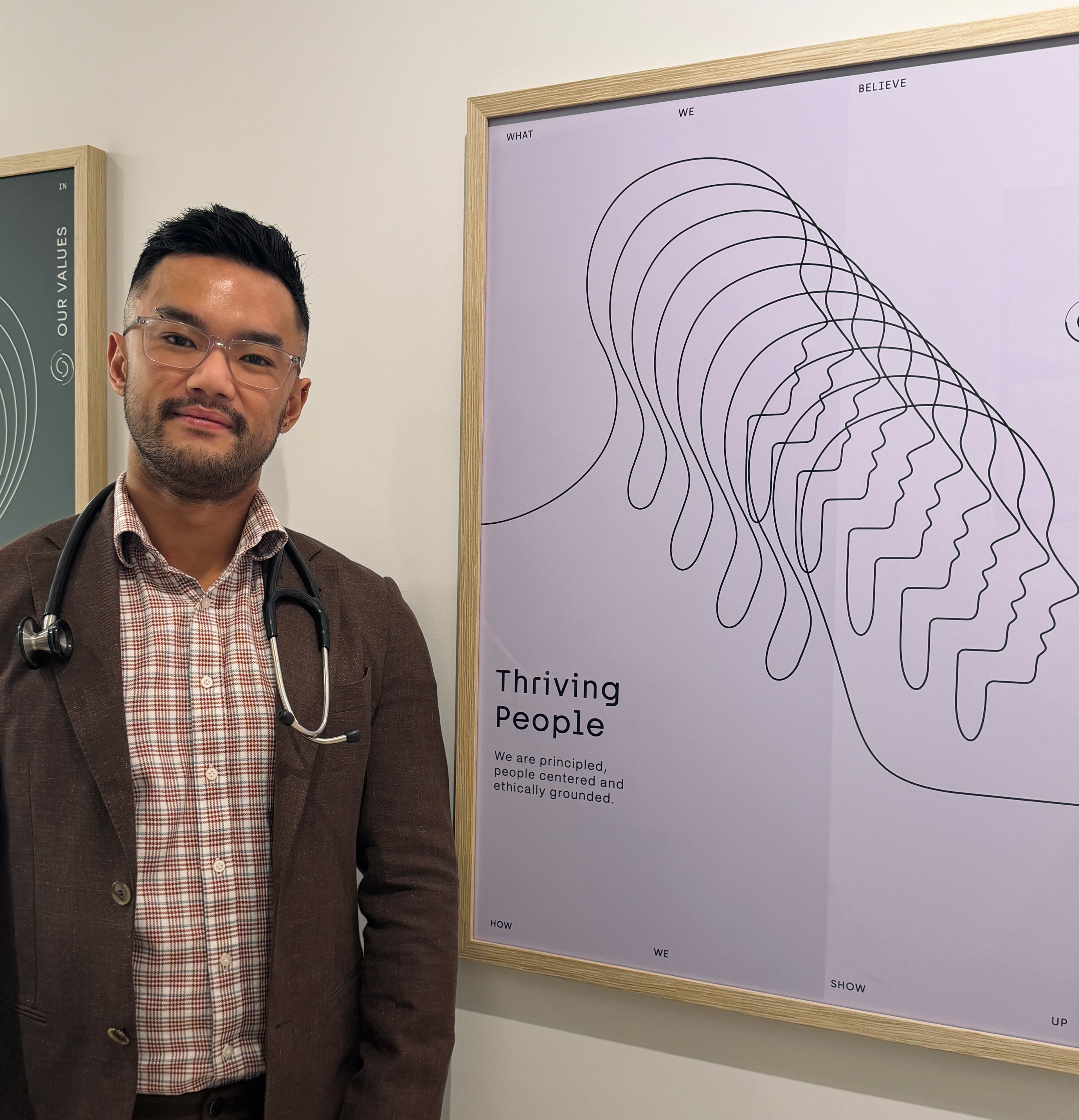
About Dr King Cheung
Dr King Cheung is a Melbourne-based Principal Investigator at Momentum Clinical Research and leads the organisation's Cardiometabolic Taskforce. He has worked on 132 clinical studies, including 32 cardiometabolic and 24 obesity and incretin trials, with experience supporting research programmes for leading global pharmaceutical companies.
Connect with us
Momentum Clinical Research supports Phase I–IV clinical trials across Australia and New Zealand, bringing together specialist investigators, diverse participant populations and coordinated study delivery through one integrated network. To discuss an upcoming study, contact our Taskforce team.
Contact