Press Release
New Gene Therapy Trial For Muscular Dystrophy
A groundbreaking genetic treatment for a rare form of muscular dystrophy is being trialled at the University of Auckland’s Centre for Brain Research.
August 27, 2025
•5 minutes
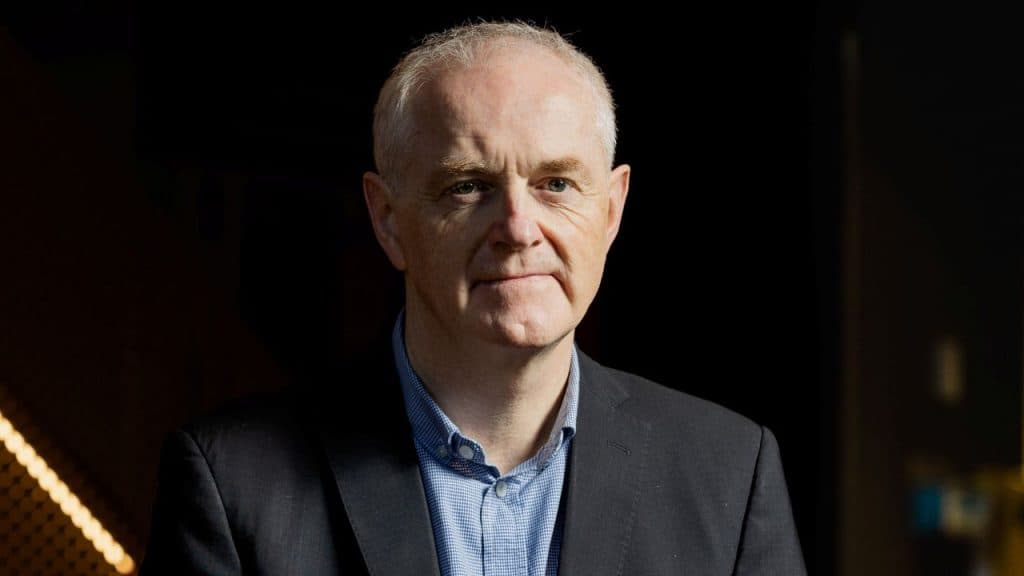
Associate Professor Richard Roxburgh is leading a new clinical trial for a rare form of muscular dystrophy
The first clinical trial of a new treatment for a rare form of muscular dystrophy is being led by the University of Auckland’s Centre for Brain Research
The researchers hope the therapy being tested might cure facioscapulohumeral muscular dystrophy.
Currently, there is no treatment available that changes the course of the genetic condition, which leads to facial paralysis, difficulty with raising the arms above the head and, for some people, the need to use a wheelchair.
Nine patients in New Zealand, America and Australia will be receiving the CRISPR therapy, which targets the faulty DUX4 gene responsible for the condition.
“In healthy people, muscle cells do all they can to turn off DUX4 production; however, in people with facioscapulohumeral muscular dystrophy, genetic changes allow DUX4 production to escape this suppression,” says Centre for Brain Research neurologist Associate Professor Richard Roxburgh
The cutting-edge therapy – scientific name EPI-321 – uses a process called epigenetic editing, which provides genes with permanent instructions to change the way they behave.
The therapy is delivered through a common virus, which about a fifth of the New Zealand population has had without knowing, because it causes no symptoms.
This virus has been modified to carry the instructions to suppress DUX 4 production.
Harnessing the virus means a single injection can get to hundreds of billions of muscle cells in the body.
Participating in the study is not without risk. Safety studies have been done in animal models and these suggest EPI-321 is safe, “but we don’t know how people will react until it’s actually tried in humans,” says Roxburgh.
The injection gives a far higher dose of the virus than people would typically get and this could potentially cause serious reactions from the body’s immune system, says Roxburgh.
Participants will be monitored over a period of five years for side effects and signs of improvement.
“People stepping up for the study are aware of this risk and are pioneers – like first explorers or astronauts going into the unknown,” he says.
The study is one of two international facioscapulohumeral muscular dystrophy trials currently being led by the Centre for Brain Research. Another trial testing a different genetic approach began last year and is showing promising results.
Miriam Rodrigues, who is involved in recruiting participants, says it is an exciting time.
“Advances in genetic research and technology are showing real promise for diseases like facioscapulohumeral muscular dystrophy, but robust clinical trials are essential to assess how well these new therapies work.
“New Zealand is an ideal location for clinical trials. We have world-class researchers, a high-quality healthcare system, and a motivated patient community. Yet, there are still too few opportunities for New Zealanders to participate in leading-edge trials like this one.”
The study is led by Roxburgh in collaboration with the Pacific Clinical Research Network, a private clinical trials company.
Connect with us
If you are keen to explore how Momentum can help you with your next clinical trial, them please reach out to us here.
Contact